


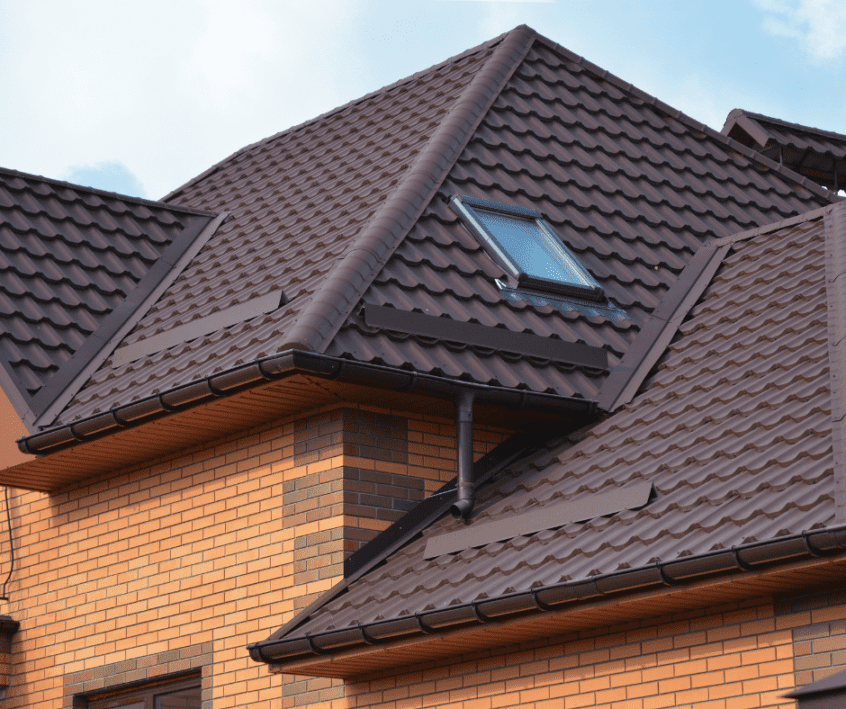
When you notice moisture around a skylight in your home, you may assume that the source of the problem is a leak in your roof.
However, the cause of this issue sometimes isn’t water intrusion, but rather condensation due to warm, humid air entering through the skylight.
Understanding the difference is important because if the issue is indeed related to indoor humidity levels, then controlling these levels could improve your situation. If, however, the issue points to damage to the skylight itself, the flashing, the seal, or the roofing materials around it, a skylight repair will likely be necessary.
Continue reading this article to understand how to distinguish which action would provide you with the best solution.
First, Look at Where the Moisture Forms
Start with the glass. Small drops or fog on the inside surface of your skylight, especially on colder days, are typically caused by excess humidity inside your home.
In homes where warm air rises to the ceiling, often near bathrooms, kitchens, and laundry rooms, and then hits cold glass surfaces, condensation happens.
On the other hand, leaks tend to look different, typically happening at or around the skylight frame, ceiling opening, drywall, or surrounding roof area. Another important clue is that leaks are also common after a storm.
How Do I Determine if My Skylight Is Actually Leaking?
Look for:
- Spreading water stains around the ceiling opening.
- Peeling or bubbling paint, soft drywall, or damp wood around the skylight
- Issues seem to increase dramatically or only appear after a rainfall in Vancouver
All those signs indicate that there is some type of water intrusion. In most cases, it happens due to failing flashing, worn seals, cracked glass, or compromised roof materials.
As mentioned before, if the same area gets wet every time it rains, it’s a true leak that requires immediate repair.
Failed Flashing Can Let Water Reach the Roof Opening
Flashing protects water from entering the edges of a skylight by redirecting it back onto the roof. This means that poorly installed or damaged flashing lets water penetrate into the gap between the roof and the skylight.
However, this doesn’t necessarily mean that you’ll see water directly underneath the place where the flashing was damaged, because water travels through wood and other materials until it finds a way into your ceiling.
That’s why adding caulking around where you see moisture won’t resolve the issue. You will need to identify where the moisture is coming from.
Check for Damaged Seals or Cracked Glass
Visible cracks in your skylight provide a pathway for water to enter. Even minor cracks should be looked at.
If moisture or fog between panes doesn’t go away after you turn on your bathroom fan or open a window, for example, or if it happens during wind-driven rain, the skylight needs to be evaluated. This usually points to a failed seal within the insulated glass unit rather than normal room condensation.
Blocked Drainage Can Create Problems Too
Your skylight has been designed to drain water down and away from your roof opening. Some skylight systems even have water management channels to assist with drainage and condensation issues. However, if these drainage channels are clogged by debris such as leaves, dirt, and moss, water can accumulate where it would normally flow away.
Roof maintenance and regular roof cleaning help prevent problems related to your skylight, especially in Vancouver’s wet climate.
For safety reasons, don’t try to clean your skylight’s drainage area yourself. Instead, call a Vancouver roofer to perform a safe assessment of your skylight system and surrounding roofing.
How Do I Know if It’s Just Condensation?
Condensation is more likely to happen on the room side of the glass, rather than coming through the roof.
Indications of excessive humidity in your home leading to condensation include:
- Moisture shows up across the inside of the glass rather than limited to one roof edge
- It worsens during cold weather
- Moisture appears regardless of rain
- Bathrooms, cooking, laundry, or poor ventilation raises indoor humidity
If these characteristics apply to your situation, begin with improving ventilation:
- Use exhaust fans in your bathrooms and kitchen when creating steam
- Ensure that your exhaust fans vent outside rather than into your attic
- Temporarily open windows when possible
- Install a dehumidifier in areas where indoor humidity persists
Most times, reducing indoor humidity will result in less condensation on your skylight.
When Do You Need Skylight Repair in Vancouver?
Ventilation won’t address issues related to damaged flashing, broken glass, failed seals, or a leaky roof.
Schedule professional skylight repair services in Vancouver if you experience:
- Recurring leaks after rain
- Stains or water damage around the roof opening
- Cracks in glass
- Excessive moisture persisting after improved humidity control
- Uncertainty regarding where the water is coming from
Licensed roofers have both the necessary equipment and expertise to assess your skylight unit and associated roofing components, including shingles, flashing, underlayment, and surrounding roof. This is important because an apparent skylight issue might actually originate further up the roof and migrate towards the opening.
Identifying the root cause eliminates unnecessary repairs and saves you money.
Do Not Ignore Recurring Moisture
Regardless of whether recurring moisture is happening due to a leak or condensation, ignoring it poses risks and can lead to:
- Discoloration or damage to drywall
- Stains on paint finishes
- Soaked insulation
- Rot or deterioration of wood used around the roof opening
- Ideal conditions for mould growth
Early detection gives you a better chance of keeping repairs focused on the skylight unit and nearby roofing instead of having to correct interior damage. The longer you ignore the issue, the more materials will be affected.
Need Skylight Repair in Vancouver?
If you continue to notice water accumulating around your skylight, don’t guess whether it’s condensation or a roof leak.
The licensed roofers at Taves Roofing can assess for leaks within the skylight itself as well as the surrounding flashing and sealants that connect to your home’s roofing. After inspection, we’ll determine which areas are failing and need to be repaired.
Contact us now to schedule an inspection and skylight repair in Vancouver before additional water damage happens.