


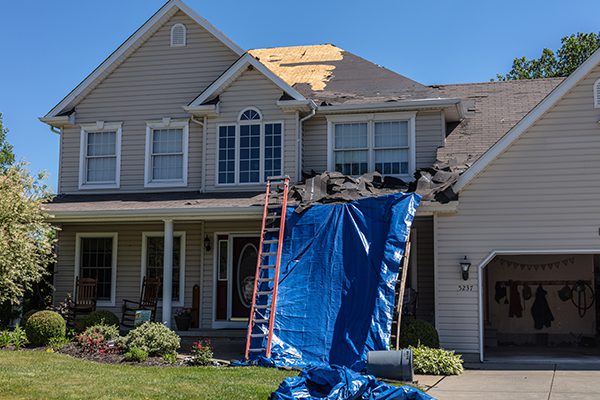
When you call an emergency roofer, the primary objective isn’t necessarily to permanently fix the roof. Is to locate the source of the leak, protect your home, control the water, and establish the required repairs to prevent future water damage.
Here is what you can expect during an emergency roof repair in Vancouver.
What Happens When You First Call an Emergency Roofer?
Before the emergency roofer even arrives at your house, there are several things that you can do to ensure that he understands exactly what you are experiencing.
Be prepared to tell the roofer about the following:
- How long ago did the leak begin?
- Where do you notice water coming into your home?
- Has your roof recently been damaged due to storms?
- Are any of your shingles or other roofing materials missing?
Taking pictures safely from inside and outside of your home will also give your roofer a better idea of the extent of the problem prior to their arrival and allow them to plan ahead for potential emergency roofing repairs.
What Should You Do Before the Roofer Arrives?
First, don’t attempt to go up on a wet roof to locate the leak. Your safety is far more important than finding out where the leak is coming from.
While waiting for the roofer to arrive, you should remove all furniture, electronics, carpets, rugs, and other valuable items from the areas where water is leaking. If possible, use large containers or buckets to catch any water that continues to drip down from the roof.
In addition to removing items, be aware of any electrical fixtures located near areas where water is present, since water and electricity don’t mix well. Avoid using any electrical appliances or turning on any electrical devices near the wet area.
Note that attempting to open up any ceilings or walls to investigate the leak could cause further instability to the structure. A ceiling that holds water can become quite unstable and potentially collapse. In some cases, the source of a roof leak isn’t right above where you see wet spots.
Roof Emergency Visit Step-by-Step
The Roof Inspection Comes First
Once the roofer arrives at your home, they will conduct an initial inspection by examining the interior signs of the leak, looking for water stains, dampness in the insulation, and damage to your ceiling. They will then determine where the failure occurred.
When conditions are safe, they will also inspect the exterior of your roof, including but not limited to shingles, flashing, roof vents, valleys, gutters, roof edges, skylights, and chimneys. It’s very common for water to run along your roof before actually appearing as a leak inside your home.
Assessing the Extent of the Damage
After determining where the failure likely occurred, the roofer will evaluate how severe the damage is.
Not every situation involves one specific area of damage. Some situations may indicate that a significant portion of your roofing system has failed over time. For example, flashings may be failing, roofing material may be damaged and deteriorated, or perhaps multiple sections of your roof have simply reached the end of their useful life.
The roofer will also check for evidence that water has reached attic insulation and structural elements of your home, such as the roof deck, ceilings, and walls.
The roofer’s evaluation will separate which repairs are urgent from which ones can be completed later.
Containing the Leak and Protecting Areas Inside Your Home
The roofer’s priority is stopping additional water from entering your home. On the interior side, this typically means protecting areas around where water is entering and controlling additional damage. On the exterior side, they will attempt to seal or cover any damaged sections.
During emergency roofing situations, temporary fixes are frequently used because bad weather often doesn’t allow for permanent repair. The goal is to reduce further damage while the exterior problem is addressed.
Temporary Tarping or Sealing
Depending on accessibility and safety, Vancouver emergency roofers may temporarily fix leaks with tarps or sealants until more favourable weather conditions allow a permanent repair.
Temporary solutions vary depending on the type of roof and damage. For example, flat roofing systems have different repair techniques compared to sloped shingle roofing systems, and missing roof material solutions differ from leaking flashing around a chimney or vent.
What Happens During Heavy Rain?
Vancouver weather isn’t always cooperative for performing roof repairs. However, some emergency repairs can still happen during rainfall. In this case, an emergency roofer can:
- Inspect interior damage
- Identify where in the roof that a leak occurred
- Document what happened
- Protect accessible areas
- Determine next steps
Exterior work depends on safety. Conditions like heavy rainfall, strong winds, lightning, poor visibility, pooling water, and slippery surfaces can make roof access unsafe. In these conditions, tarping, sealing, and permanent repairs may need to wait for better conditions.
What Happens After the Emergency Is Under Control?
After an active leak is contained, the focus shifts back to performing a permanent solution.
The emergency roofer should provide an explanation regarding what failed, what temporary measures were implemented, and what the next steps are.
Permanent repairs can range from replacing damaged roofing material, repairing failed flashing, fixing roof penetrations, restoring damaged sections, and addressing sources of water entry elsewhere on your roof.
Additionally, an inspection may reveal that larger sections of your roof are suffering from similar issues and require broad repairs or replacement.
After the visit, you should know what must be done urgently, what can wait, and what repairs are recommended.
Need Emergency Roof Repair in Vancouver?
Roof leaks can quickly spread throughout insulation, ceilings, wall spaces, and other parts of your home. Early assessment helps minimize damage and clearly outline options for fixing your roof issue.
For prompt assistance with an active leak or sudden roof damage, contact Taves Roofing for emergency roofing services in Vancouver. We’ll send an experienced professional who will analyze your issue, develop a plan to contain water flow, and explain what actions are necessary moving forward.